

What does it look like?
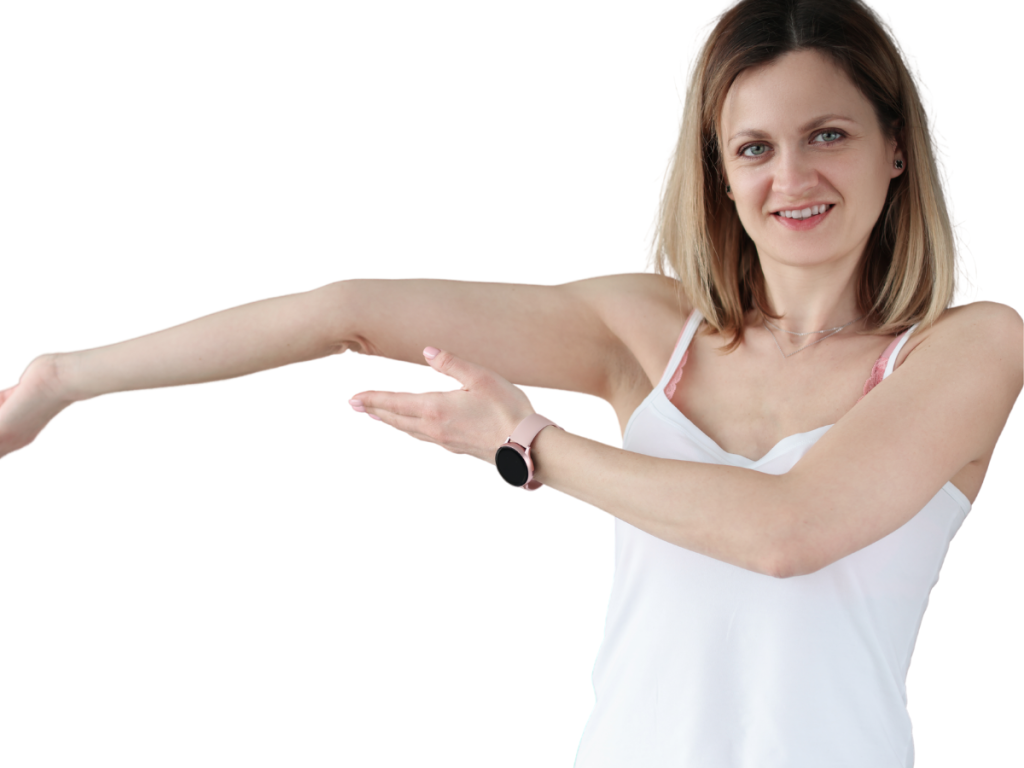
Hypermobility refers to joints that move beyond the typical range of motion, often associated with conditions such as Ehlers-Danlos Syndrome (EDS) and Hypermobility Spectrum Disorders (HSD). While some people that are hypermobile experience no symptoms, many experience joint instability, pain, and an elevated risk of musculoskeletal injuries.
- Chronic pain
- Cardiac Dysautonomia (e.g. POTS)
- Joint subluxations or dislocations
- Fatigue
- Mild-Severe allergic reactions
- Functional gut issues (e.g. constipation, reflux and/or diarrhoea)
- Pelvic organ prolapse
- Neurodivergence
Why does it occur?
This vast array of symptoms and comorbidities is due to hypermobile people’s collagen (a protein responsible for creating connective tissue) being structurally different and therefore having more elastic properties, causing it to stretch in ways it typically wouldn’t. Because these collagen differences are often inherited, hypermobility is considered a genetic condition that can run in families.
As connective tissue is prevalent throughout all of the body’s systems – hypermobile people often have issues with the integrity of other tissues, including the skin, organs and blood vessels.

Postural Orthostatic Tachycardia Syndrome (POTS)
Postural Orthostatic Tachycardia Syndrome (POTS)
We recognise that there can be a relationship between hyper-mobility and autonomic conditions such as Postural Orthostatic Tachycardia Syndrome (POTS). POTS is a form of cardiac dysautonomia that affects blood flow and heart rate, often leading to symptoms like dizziness, fatigue, brain fog, and palpitations—especially when moving from lying or sitting to standing.
Steph is now able to perform a screen for POTS for her existing patients. Steph will first get you to complete the MALMO POTS Score and will then perform a specific diagnostic test known as the NASA Lean Test. This assessment follows guidelines from the POTS Foundation and is tailored to identify postural changes in heart rate and blood pressure.

Preparing for your assessment
If Steph has booked you in for a POTS screen, it’s important that you follow the preparation instructions outlined in your pre-appointment email to ensure the results of the test are as accurate as possible. This includes avoiding certain medications and supplements that may affect cardiovascular function.
You can view the list of medications in the link attached.
If you’re unsure whether your current medications may affect your test, please consult your GP or prescribing doctor before your appointment.

FAQs
Hypermobility means some or all of your joints move more than expected. For some people it’s asymptomatic, while for others it may cause instability, pain, and frequent injuries. An Osteopath can assess your joints and function, and may recommend further medical review if needed.
Typical symptoms may include joint pain, muscle tension, frequent sprains or strains and joint instability. Due to hypermobility being caused by a change in your connective tissue, there are numerous comorbidities which can cause further symptoms such as digestive problems, bladder issues and dizziness (especially upon standing). Not everyone with hypermobility is symptomatic, but when they are, osteopaths can help with education, pain management, support safe movement strategies and refer for further care if needed.
These are the two diagnoses available for those experiencing symptomatic hypermobility. Hypermobile Ehlers-Danlos Syndrome (hEDS), is a recognised connective tissue disorder that requires strict diagnostic criteria, including musculoskeletal symptoms and systemic features.
Hypermobility Spectrum Disorder is the diagnosis given to those who do not meet the hEDS diagnostic criteria.
While Osteopaths cannot diagnose hEDS, Steph does screen her patients for hEDS as appropriate and works closely with their GPs to ensure patients with suspected hEDS receive the right care pathways. Steph has made an in depth video about the difference between these two diagnoses HERE
Safety is a key priority in hypermobility care. Because hypermobile joints already move beyond normal range, not all treatment techniques are not suitable. At North Canberra Osteopathy, our practitioner Steph uses exclusively gentle treatment techniques for hypermobile joints, as to not irritate them or flare up your pain. Steph has experience working with hypermobility at any age, and will always discuss treatment plans openly so you feel informed and in control of your care.
Many patients with hypermobility also report symptoms of dizziness especially worse on standing, palpitations, fatigue, brain fog or exercise intolerance. These are all features of Cardiac Dysautonomia, which includes Postural Orthostatic Tachycardia Syndrome (POTS). Studies indicate that connective tissue laxity may contribute to circulatory changes, making POTS more common in hypermobile individuals. While osteopaths cannot formally diagnose POTS, Steph can perform a POTS assessment, including the Active Stand Test which can be used for diagnosis. The information of this assessment is then sent to your GP to guide diagnosis. In the meantime, we can provide some management strategies and education as appropriate to help reduce your symptoms.
Steph has a video explaining Cardiac Dysautonomia HERE.
Steph
At North Canberra Osteopathy, our Osteopath Steph exclusively treats adults with Ehlers-Danlos syndrome (EDS) or hypermobility. She is a member of the Australian POTS Foundation and the Ehlers-Danlos Society.
She brings both professional expertise and personal experience to hypermobility treatment. Living with Hypermobile Ehlers-Danlos Syndrome, she understands firsthand the challenges of joint instability, chronic pain, and fatigue. This unique insight allows her to tailor treatment plans that focus on practical and sustainable management strategies.
Steph works closely with each patient to develop individualised treatment approaches, focusing on pain reduction, joint stability, and improved movement control. She also collaborates with other healthcare professionals when necessary to ensure a coordinated approach to care.